
On Saturdays or Sundays it’s hard to ignore the masses of SUVs gathering in stadium parking lots — large monuments honoring America’s lack of moderation where we over-feed ourselves with sodium-rich, fat-filled food and crappy beer at a four-hundred percent markup.
Indeed, Sports looks like our modern day gladiator games. Sports is flawed, corrupt, greedy and vain. Sports is the downfall of the republic. How dare you, Sports. Shame on you, Sports.
But wait: you can’t blame Sports. It’s us — we made Sports this way. The money, athletes, and media are too convenient to blame.
Sports is innocent. I forgive Sports for flopping, Tim Donahey, steroids, and Donald Sterling — after all, those are all human problems.
I forgive Sports because Sports is trying like the rest of us. Sports has ups and downs, but at its best, Sports is a magnificent teacher. In fact, Sports is one of my most important mentors, and I want to talk about why.
Sports taught me about pain and anger
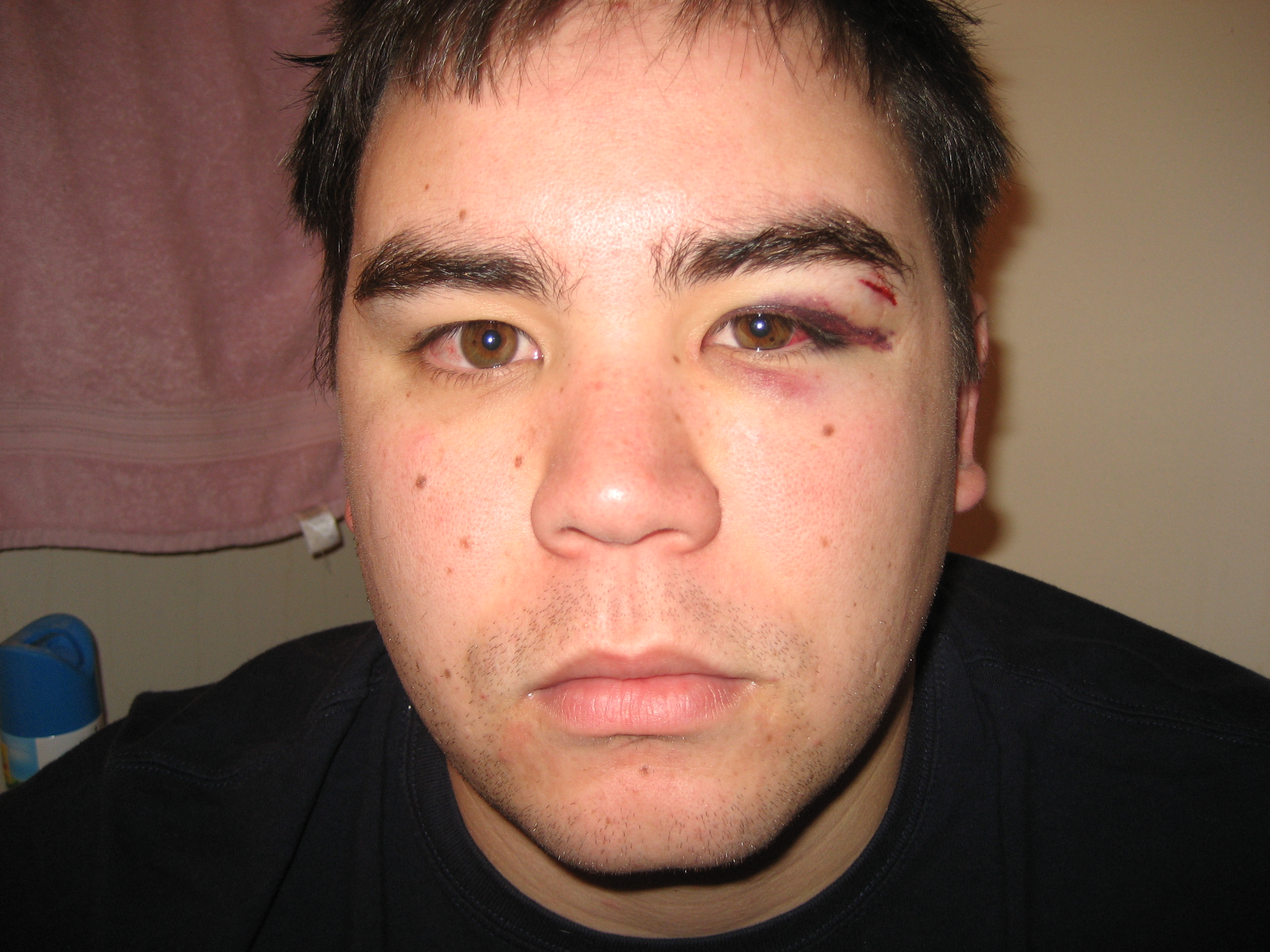 Sports taught me how to fail, get back up and try harder. Thanks to Sports, I knew what it was like to get punched in the mouth, hit in the face with a baseball, elbowed in the teeth, sprain an ankle, and keep playing.
Because of Sports, I knew what it was like to get picked last. I knew what it was like to get cut from basketball teams once, twice then three times before I made them. I missed game-winning shots and had game-winning shots scored on me. I learned how to get angry about it, dust myself off and get to work.
The pain and anguish of Sports, learning how to cope with them and overcome them, prepared me for life. Sports kept telling me to get back up and fight.
Luckily, it became a habit.
There are no home runs, just inches
 Sports taught me that what you do between games and in the off-season matters; that luck is the combination of preparation and opportunity. Sports taught me that winning is about quality of effort and doing things the right way — that you aren’t a winner because of a trophy and there are no shortcuts.
Training, learning, studying and obsessing about your craft is how you excel. Weekend warriors who waltz into the gym and expect to compete get busted. Teams who focus on flair, authentic NBA jerseys, selfishness or retro Jordans get whipped.
A formative experience for me was making my high school team. In my junior year of high school, I was cut from tryouts, second-to-last cut. The next summer, between my junior and senior year, I was determined to make it. I refused to get cut again.
For three months, I played for nearly 3 hours a day. I frequented these courts:
- the playgrounds of Mililani: mainly Hokuahiahi Park and Kipapa Park
- community gyms at District Park and Whitmore Village
- military courts at Sub Base and Hickham AFB
I got my ass kicked every fricking day for a while. I got made fun of, punched, pushed around, bullied. I even got picked on for being (well, half) white, which was new. People made fun of my hair, skin, face, shoes, shirt, school, game, passing, dribbling. I didn’t listen. I kept playing.
I grew tremendously. I ended the summer having changed my entire jump shot, developed my handle, increased my vertical by 8 inches and drastically improved my court vision and quickness. By the end of the summer I had the nickname “batman” for wearing a tattered Batman shirt with no sleeves and folks wanted to pick me up on their team.
 All of those battles added up over time made me a better player. I started to win a lot of games, but there was no magical turning point — no home run was hit, no miracles. Success, for me, was the sum of all the inches I clawed for through countless hours of practice and struggle.
Then, the next fall, I made the team. I made it because Sports taught me to fight for all of those inches in the off-season and get back up every day. There was no other way but to grind. The willingness to grind and the feeling you have after is the stuff success is made of.
Value the journey
My dream wasn’t to become an NBA player, although I did fantasize about it occasionally. I wasn’t too focused on long-term outcomes, I just wanted to get better. I learned to value the journey. When I look back, I miss the sounds, smells, feelings of just being there and learning. I don’t think about milestones, I think about the little stuff.
There’s the sound of nylon swishes, the musty smell of the gym, the worn bleachers with spider webs and dust bunnies beneath it and the metallic simplicity of the water fountain. The long nights spent playing 21 or HORSE at Oregon State with my buddy, endless games of 1-on-1 and playing pick-up games until nobody was left.
And there were so many firsts: a no-look pass, a perfect 28-foot shot, pinning someone’s layup against a backboard, dunking for the first time, etc. All were tiny championships.
In life, I’ve come to learn, outcomes matter but not that much. Tiny championships matter, or how you do things. Do you play the right way? Are you someone a teammate would want to go to battle with in the trenches? Do you trust your teammates? Will they back you up in a fight, and you the same for them? Can you win together? Can you lose — and lose bad — together? Can you take feedback from your teammates?
When you start answering yes to those questions, you are winning. Sports taught me that, and I try to reproduce the same thing whenever I can. The quality of your journey and how you do things is what you’ll always remember.
Yay Sports
Sports is human. Sports teaches, heals, unites and fills us with joy. Sports can also divide, destroy, injure and defeat our spirit. Sports is like us, and we are what we make of ourselves. Sports is a reflection of us, for better and for worse, and I’m okay with that.
Sports, you’re alright. Thanks for everything you’ve taught me. I’ve got your back.

 morgamic